


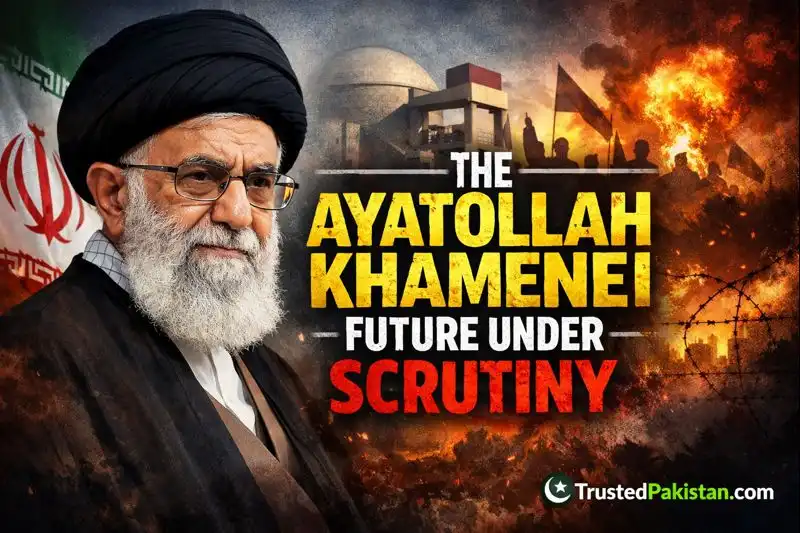
The Ayatollah Khamenei Future Under Scrutiny
The Ayatollah Khamenei future is one of the most talked-about geopolitical questions of 2026. Iran’s Supreme Leader Ayatollah Ali Khamenei has been a central figure in shaping politics, foreign policy, and domestic governance for over three decades. However, recent nationwide protests, economic turmoil, and increasing external pressures have raised critical concerns about how long he can remain in power and what the future holds for Iran’s leadership structure.
Understanding Ayatollah Khamenei’s Role in Iran
Ayatollah Ali Khamenei has held the position of Supreme Leader since 1989, making him the most powerful political and religious authority in Iran. His influence extends over the military, judiciary, and all branches of government. Unlike a president, the Supreme Leader’s power in Iran is entrenched through constitutional and religious legitimacy, which makes any change to that role a complex affair.
The Ayatollah Khamenei future is therefore not merely about one individual stepping down — it’s about a potential shift in Iran’s political ideology and governance framework.
Why the Question of His Future Has Gained Momentum
1. Domestic Unrest and Protests
Iran has seen waves of protest in recent years over economic hardship, political repression, and social restrictions. Demonstrations often center around demands for greater economic rights and political freedoms. The security response to these protests — and Khamenei’s perceived inability to resolve the root causes — has intensified debate over his leadership legitimacy.
2. Economic Challenges
Persistent inflation, unemployment, and sanctions have weakened public trust in the government. Iran’s economy continues to struggle under international sanctions and internal mismanagement, further fueling frustration among citizens and business owners. These conditions are central to discussions about the Ayatollah Khamenei future because economic stability directly impacts national cohesion and political resilience.
International Pressure and Strategic Shifts
US Foreign Policy Dynamics
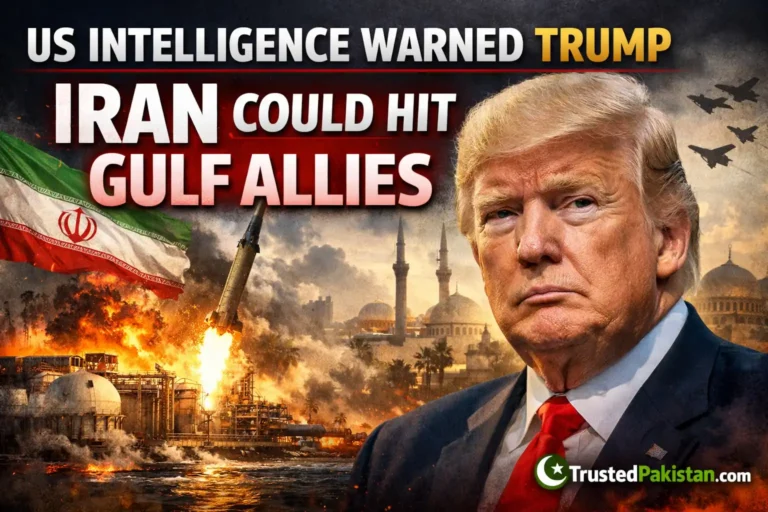
The United States has openly challenged Iran’s foreign policy and nuclear ambitions. Statements made by U.S. officials suggesting that change in leadership could influence Iran’s strategic decisions have added to the speculation regarding Ayatollah Khamenei’s long-term position.
For a deeper, official news perspective on how global powers view Iran’s political landscape, read this BBC report on Iran’s leadership and protest movements.

Regional Geopolitical Pressures
Iran’s relationships with neighboring countries, as well as non-state actors in the Middle East, contribute to the complexity of the Ayatollah Khamenei future. Shifts in alliances, peace negotiations, and regional conflicts all play a role in determining Iran’s path forward.
Possible Scenarios for the Ayatollah Khamenei Future
Continued Leadership with Internal Reforms
One possible path is that Ayatollah Khamenei remains Supreme Leader but pursues internal reforms. These might include moderate policy shifts aimed at reducing public dissent and economic reforms to ease hardships. Whether this scenario is feasible depends on acceptance by hard-liners within the Iranian political elite.
Succession by Conservative Replacement
Iran’s political system is designed to maintain continuity. A successor from within the conservative political and religious establishment could be chosen if Khamenei steps back due to age, health, or political strategy. However, finding a leader with equal authority and legitimacy is a significant challenge.
Structural Political Change
The most radical outcome for the Ayatollah Khamenei future would be a systemic transformation of Iran’s governance structure, potentially moving toward a more representative model. While unlikely in the short term, sustained protests or economic collapse could accelerate systemic shifts over time.
How This Matters to the Region and the World
Iran’s domestic politics influence global security, energy markets, and international diplomacy. The Ayatollah Khamenei future is therefore not just a domestic concern but a topic of global relevance. Changes in leadership or policy direction could impact:
- Middle East stability
- Nuclear agreements and non-proliferation
- Oil and gas global markets
- International relations with Europe, Asia, and the U.S.
What Comes Next for Iran’s Supreme Leader?
The Ayatollah Khamenei future is a subject of intense speculation among analysts, governments, and Iranian citizens alike. While Ayatollah Khamenei continues to hold power today, mounting economic challenges, public dissent, and shifting international pressures make his long-term future less predictable than ever before.
What remains clear is that changes in Iran’s leadership — whether gradual or abrupt — will have consequences far beyond its borders, affecting geopolitics, economics, and global security.
