


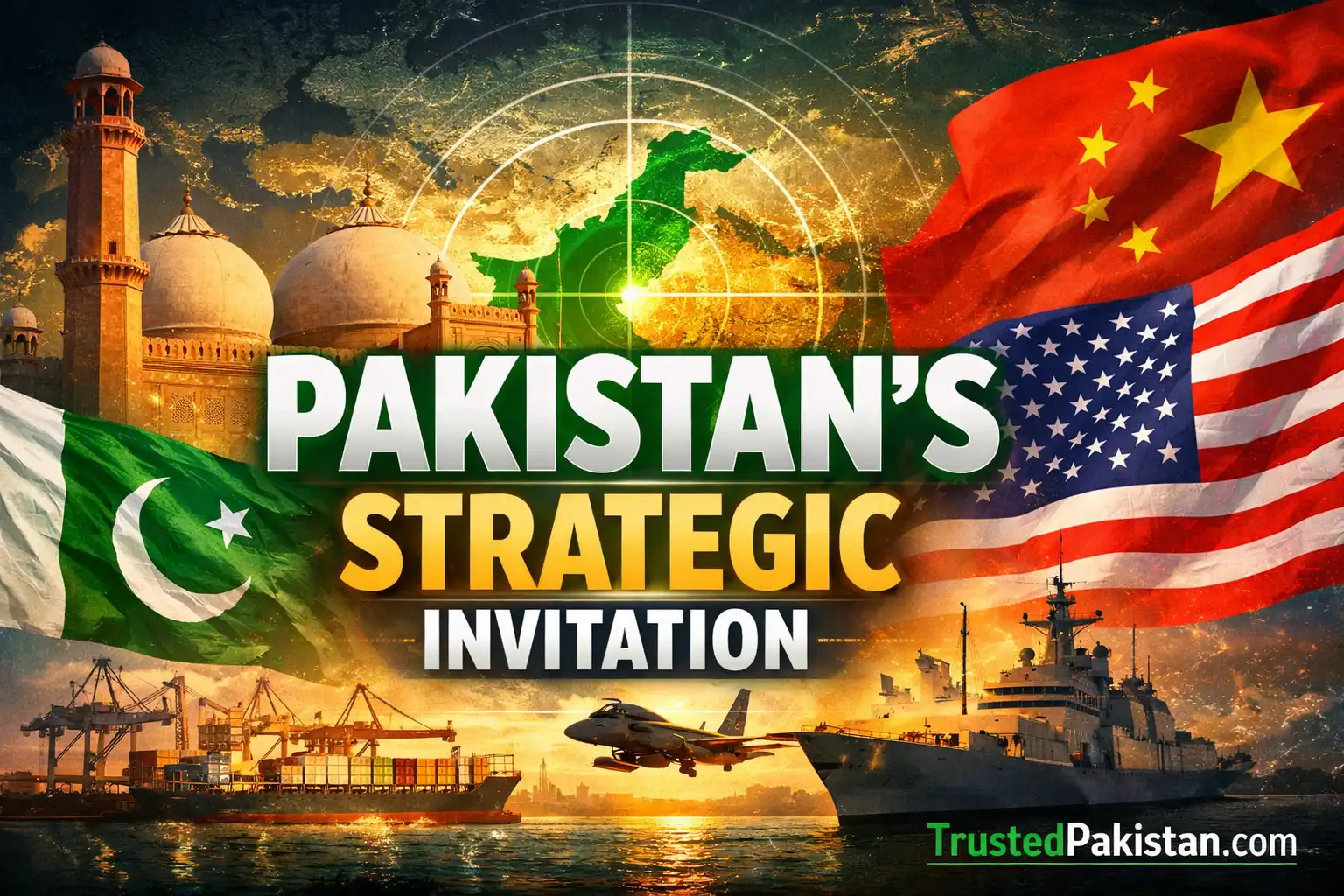
Pakistan Strategic Invitation
The Pakistan Role in US-Iran Negotiations has drawn global attention after Islamabad received an official invitation to participate in upcoming diplomatic talks between the United States and Iran scheduled in Istanbul, Türkiye. These negotiations are part of broader efforts to reduce mounting tensions between Washington and Tehran, particularly over Iran’s nuclear program and regional security dynamics.
Pakistan’s participation marks a significant moment in the country’s foreign policy trajectory, highlighting Islamabad’s long-standing diplomatic ties with both the U.S. and Iran. It also underscores Islamabad’s strategic positioning as a regional mediator and its interest in stability across the wider Middle East and South Asia.
What Are the US Iran Talks About?
The talks between the United States and Iran are aimed at de-escalation and preventing a possible conflict. According to a regional official, the primary objective is to avoid military confrontation and address points of diplomatic contention.
Key points of discussion include:
- Iran’s nuclear program and related international safeguards.
- Tensions over Iran’s ballistic missile capabilities.
- Regional security issues and diplomatic confidence-building measures.
- Ensuring peace in the Middle East, avoiding escalation that could impact global energy markets and international security.
The negotiations represent one of the rare direct engagements between Tehran and Washington in recent years, especially amid heightened rhetoric and strategic mistrust.
Why Pakistan Was Invited
1. Historical Diplomatic Balancing
One reason for Pakistan’s invitation is its long-standing diplomatic ties with both the United States and Iran. Islamabad maintains active relationships with Washington, especially in security and economic spheres, while also having historically cordial and complex relations with Tehran. This dual engagement makes Pakistan an attractive participant in forums where trust between opposing sides is delicate.
Pakistan has previously played roles in regional diplomacy, especially in efforts to encourage dialogue over crises in neighbouring Afghanistan and with broader Islamic world issues. Islamabad’s recognition of the importance of diplomatic engagement, rather than military confrontation, aligns with the goals of the current US-Iran dialogue.
2. Regional Stability and Security Concerns
With tensions between the U.S. and Iran threatening regional stability, efforts are underway to include regional states who have stakes in Middle East peace. Pakistan’s geographic proximity and historical interactions with Middle Eastern states mean Islamabad has a vested interest in preventing broader instability that could affect energy markets, refugee flows, and security alliances.
Pakistan shares security concerns with Gulf states, Central Asian neighbours, and other Muslim majority countries that stability in the Middle East directly influences global peace, economic prospects, and geopolitical dynamics.
3. Diplomatic Facilitation and Mediation Potential
Pakistan has been engaged in back-channel and quiet diplomatic efforts to support the groundwork for these talks. Sources indicate that countries like Türkiye, Qatar, Oman and others helped pave the way for official negotiations. Pakistan’s inclusion is seen as part of efforts to bring a wide range of credible voices into the conversation.



Furthermore, Pakistan’s role as a mediator in previous regional disputes — from Afghanistan to Gulf crises — illustrates that Islamabad can be seen as a neutral party willing to encourage dialogue over conflict.
What Role Will Pakistan Play?
Pakistan’s role in the Pakistan Role in US-Iran Negotiations can be divided into several strategic and diplomatic functions:
1. Advocate for Dialogue and Non-Conflict
Pakistan has consistently stated that there is no military solution to disputes between nations. Islamabad emphasises diplomatic engagement and political solutions, which aligns with the goals of de-escalation between the U.S. and Iran. Pakistani officials believe that proactive engagement can help reduce mistrust and generate constructive diplomatic avenues.
2. Confidence-Building and Communication Channel
Pakistan can act as a channel for confidence-building between opposing parties. Often in international diplomacy, the presence of a country with good relations on both sides allows indirect communication that might ease direct negotiations, especially when political tensions are delicate.
3. Regional Representation and Broader Stakeholder Inclusion
Pakistan’s attendance also signals inclusion of voices from outside the immediate conflict parties. Including countries such as Pakistan, Egypt, Qatar, Saudi Arabia, Oman and the UAE reflects a broader consensus that regional states should have input when decisions affect Middle East stability.
In meetings such as these, Pakistan can provide regional context, contribute to constructive proposals, and advocate for measures that emphasise peaceful coexistence and regional cooperation.
4. Strategic Foreign Policy Messaging
For Islamabad, participation in the talks also serves a foreign policy objective. It sends a message that Pakistan seeks constructive engagement on the world stage, willing to support peace initiatives even when tensions are high. This diplomatic posture also benefits Pakistan’s relations with major global powers.
Challenges and Considerations
While Pakistan’s involvement is meaningful, it is also shaped by several challenges:
- Balancing Relations: Maintaining balanced relations with both the U.S. and Iran is delicate, especially when core strategic interests differ significantly.
- Domestic Opinion: Pakistan’s domestic audience has varied opinions about U.S. involvement in Middle East affairs, influencing how politicians and analysts view diplomatic engagements.
- Outcome Uncertainty: The results of the negotiations are still uncertain. If negotiations fail or advocates abandon diplomatic paths, regional tensions could escalate, putting further pressure on participants to respond.
Conclusion
The Pakistan Role in US-Iran Negotiations reflects Islamabad’s strategic diplomatic positioning on a rapidly evolving global stage. Pakistan’s invitation to participate in the talks represents more than honorary inclusion; it signifies a role in regional conflict resolution, diplomatic mediation, and confidence-building between powerful global actors.
As these talks unfold, Pakistan’s engagement could influence not only US-Iran relations but also broader Middle East dynamics, paving the way for a more stable regional future — if diplomacy prevails over confrontation.
