


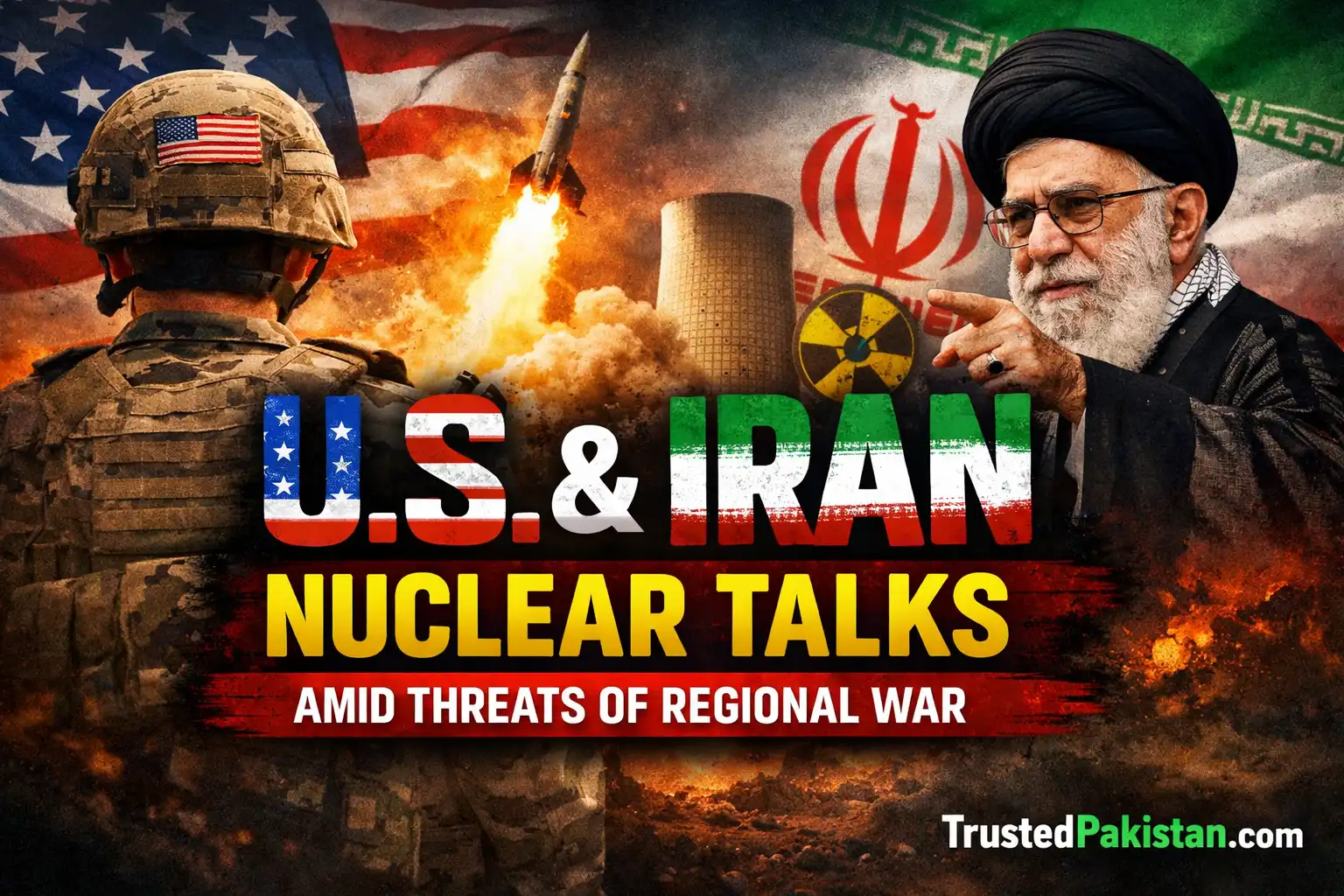
U.S. and Iran Nuclear Talks Amid Threats of Regional War
U.S. and Iran nuclear talks have once again taken center stage in global diplomacy as tensions across the Middle East continue to escalate. With proxy conflicts intensifying, military warnings increasing, and regional alliances shifting, the renewed dialogue between Washington and Tehran is being seen as both a critical opportunity and a dangerous gamble. The stakes are enormous—not just for the two nations involved, but for the stability of the entire region and the global economy.
The talks come at a time when fears of a wider regional war are no longer hypothetical. From the Persian Gulf to the Levant, flashpoints are multiplying, making nuclear diplomacy more urgent than ever.
Background of the U.S. and Iran Nuclear Talks
The U.S. and Iran nuclear talks trace their roots back to the 2015 Joint Comprehensive Plan of Action (JCPOA), an agreement aimed at limiting Iran’s nuclear program in exchange for sanctions relief. While the deal was initially hailed as a diplomatic breakthrough, it suffered a major setback in 2018 when the United States withdrew unilaterally and reinstated harsh economic sanctions on Iran.
Since then, Iran has gradually reduced its compliance, enriching uranium at higher levels and limiting international inspections. Multiple rounds of indirect negotiations have taken place, but trust remains fragile. The current talks are an attempt to prevent the situation from spiraling out of control.
Why the Nuclear Talks Matter Now More Than Ever
The timing of these U.S. and Iran nuclear talks is critical. Regional conflicts involving allied militias, naval confrontations, and airstrikes have increased the risk of miscalculation. Analysts warn that without diplomatic engagement, even a minor incident could trigger a chain reaction leading to a broader war.
Beyond security concerns, global energy markets are also watching closely. Any escalation involving Iran could disrupt oil supplies, pushing prices higher and impacting economies worldwide.
Key Issues on the Negotiation Table
Sanctions Relief and Economic Pressure
Iran is demanding substantial sanctions relief as a prerequisite for rolling back its nuclear activities. Decades of economic pressure have severely affected Iran’s economy, leading to inflation, currency devaluation, and public dissatisfaction. Tehran argues that without tangible economic benefits, further commitments are meaningless.
Nuclear Enrichment Limits
From Washington’s perspective, limiting uranium enrichment levels and restoring full international inspections are non-negotiable. The United States insists that Iran must return to strict compliance before any long-term relief can be considered.
Regional War Threats Overshadowing the Talks
The shadow of war looms large over the U.S. and Iran nuclear talks. Ongoing conflicts involving Iran-aligned groups in the Middle East have raised alarm bells in Washington and among U.S. allies. Any breakdown in negotiations could embolden hardliners on both sides, increasing the likelihood of military confrontation.
Security experts warn that diplomacy is currently the only viable path to prevent a regional explosion that could involve multiple state and non-state actors.




International Community and Global Reactions
European nations, Russia, and China have all expressed support for continued dialogue. Many global powers believe that sustained engagement is preferable to isolation, which has historically failed to curb nuclear ambitions.
According to the International Atomic Energy Agency (IAEA), transparency and verification remain central to any lasting solution.
Pakistan’s Perspective and Regional Implications
From South Asia’s viewpoint, instability in the Middle East directly affects economic ties, labor markets, and energy security. Pakistan has consistently emphasized dialogue and peaceful resolution, calling on all parties to avoid actions that could destabilize the region further.
For deeper regional analysis and geopolitical coverage, you can also read a related report on TrustedPakistan.com, which discusses how Middle East tensions impact developing economies.
Challenges Facing the U.S. and Iran Nuclear Talks
Despite renewed engagement, several obstacles remain:
- Deep mistrust due to past withdrawals and unmet promises
- Domestic political pressure in both countries
- Opposition from regional rivals who view diplomacy as a threat
- Uncertainty over enforcement and long-term guarantees
These challenges mean that even minor disagreements could derail months of diplomatic progress.
What Happens If the Talks Fail?
If the U.S. and Iran nuclear talks collapse, the consequences could be severe. Iran may accelerate its nuclear program, while the United States and its allies could respond with harsher sanctions or military posturing. Such a scenario would significantly increase the risk of open conflict, affecting global security and economic stability.
Diplomatic failure would also weaken international non-proliferation efforts, setting a dangerous precedent for other regions.
The Road Ahead for Nuclear Diplomacy
Rather than concluding remarks, it is important to focus on what lies ahead. The future of the U.S. and Iran nuclear talks depends on compromise, political will, and sustained international support. While expectations should remain realistic, even incremental progress could help ease tensions and reduce the risk of war.
For now, the world watches closely as negotiators attempt to balance security concerns with diplomatic solutions—hoping that dialogue prevails over confrontation.
