


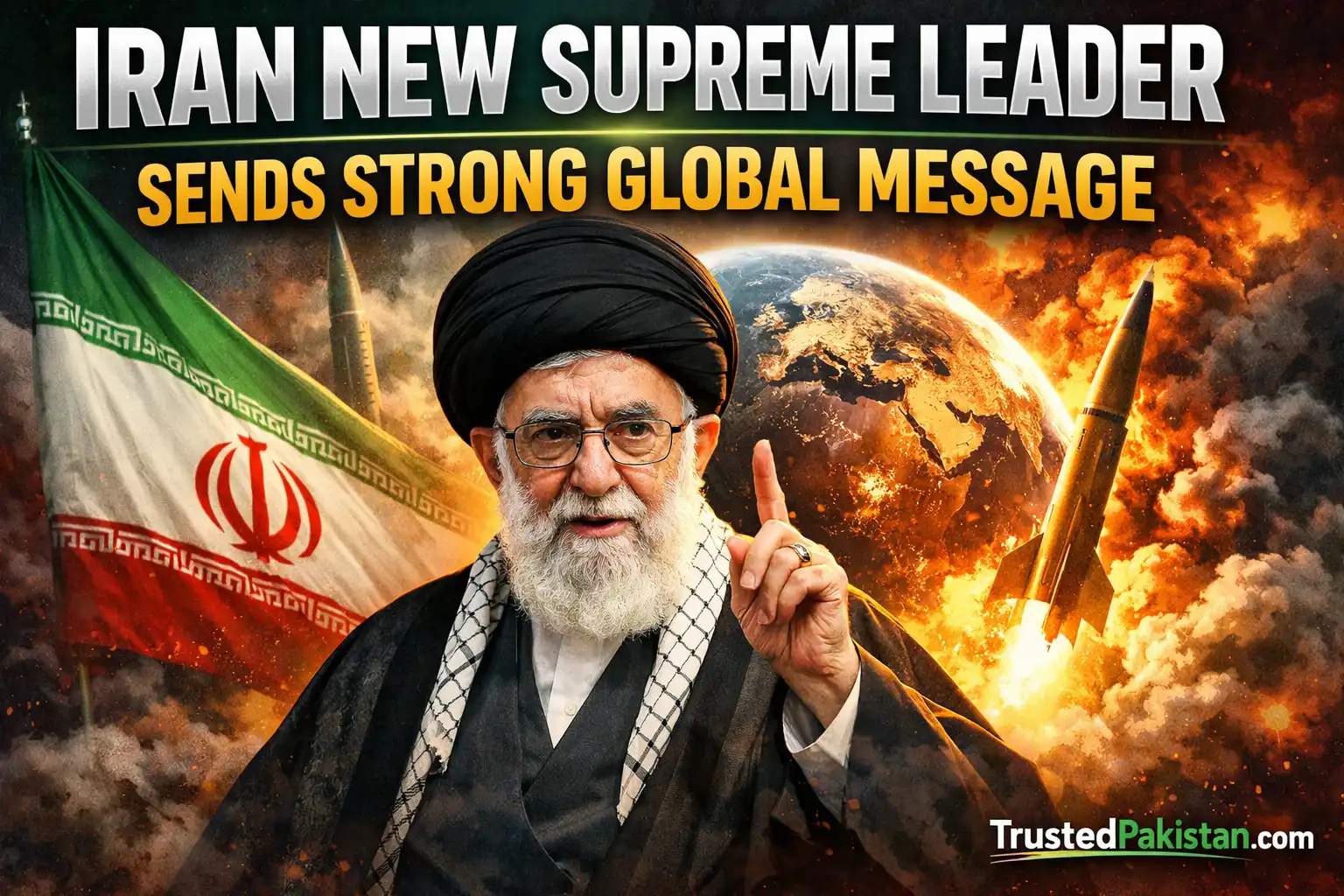
Iran New Supreme Leader Sends Strong Global Message
In a powerful first address to the nation and the international community, Iran’s new supreme leader announced that the Strait of Hormuz will remain closed, signaling a major shift in the country’s regional strategy. The announcement immediately drew global attention because the waterway is one of the most critical shipping routes in the world.
The statement emphasized Iran’s determination to protect its national interests and respond to what it described as increasing geopolitical pressure. Officials indicated that the decision to keep the Strait of Hormuz will remain closed was not temporary but part of a broader strategic stance meant to challenge foreign influence in the Gulf region.
Why the Strait of Hormuz Matters to the World
The Strait of Hormuz is a narrow waterway located between Iran and Oman. Despite its small size, it carries nearly one-fifth of the world’s oil supply. Every day, millions of barrels of crude oil pass through this route to markets in Asia, Europe, and North America.
If the Strait of Hormuz will remain closed, the consequences could affect global energy markets almost immediately. Countries such as Saudi Arabia, Iraq, Kuwait, and the United Arab Emirates rely heavily on this passage to export oil.
Energy experts warn that any disruption in the strait can push oil prices higher and trigger supply concerns across international markets. The route also transports liquefied natural gas and other vital commodities, making it essential for global trade stability.
Global Oil Markets React to the Announcement
Financial markets responded quickly after the statement that the Strait of Hormuz will remain closed. Oil prices experienced sudden volatility as traders evaluated potential supply disruptions.
Energy companies and investors closely monitor developments in the Gulf region because even rumors of tension in the strait can influence global commodity markets. The latest announcement intensified concerns about shipping delays and rising transportation costs.
Economists warn that prolonged closure could lead to:




- Higher fuel prices worldwide
- Increased inflation in energy-dependent economies
- Strategic oil reserve releases by major countries
- Greater pressure on alternative shipping routes
Military and Diplomatic Reactions
Several international governments responded cautiously to the declaration that the Strait of Hormuz will remain closed. Diplomatic channels are reportedly active as global powers seek to avoid further escalation.
Naval forces from multiple countries already operate in the region to ensure maritime security. Military analysts believe any long-term closure could increase patrol activity and strategic deployments near the Gulf.
At the same time, diplomatic efforts are underway to prevent confrontation and maintain safe passage for commercial vessels. Many policymakers emphasize the importance of maintaining open trade routes under international maritime law.
What This Means for International Trade
The announcement that the Strait of Hormuz will remain closed has implications far beyond the Middle East. Global trade networks rely on predictable and secure shipping routes to move energy and goods efficiently.
If the situation continues, companies may need to rely on longer and more expensive alternative routes. This could increase transportation costs and extend delivery times for energy shipments.
Import-dependent countries in Asia are particularly sensitive to disruptions in the Gulf because they rely on steady energy supplies for industrial production and electricity generation.
Future Scenarios for the Strait of Hormuz Crisis
Looking ahead, several possible scenarios could shape the future of the Gulf region. Diplomatic negotiations may eventually lead to a reopening of the route if tensions ease and agreements are reached between regional and international actors.
However, if the declaration that the Strait of Hormuz will remain closed continues to define Iran’s policy, global energy markets may face ongoing uncertainty. Governments and international organizations are already preparing contingency plans to manage potential supply disruptions.
Energy security has become a central issue in global policy discussions, and the latest developments reinforce the importance of diversified energy sources and alternative shipping routes.
