


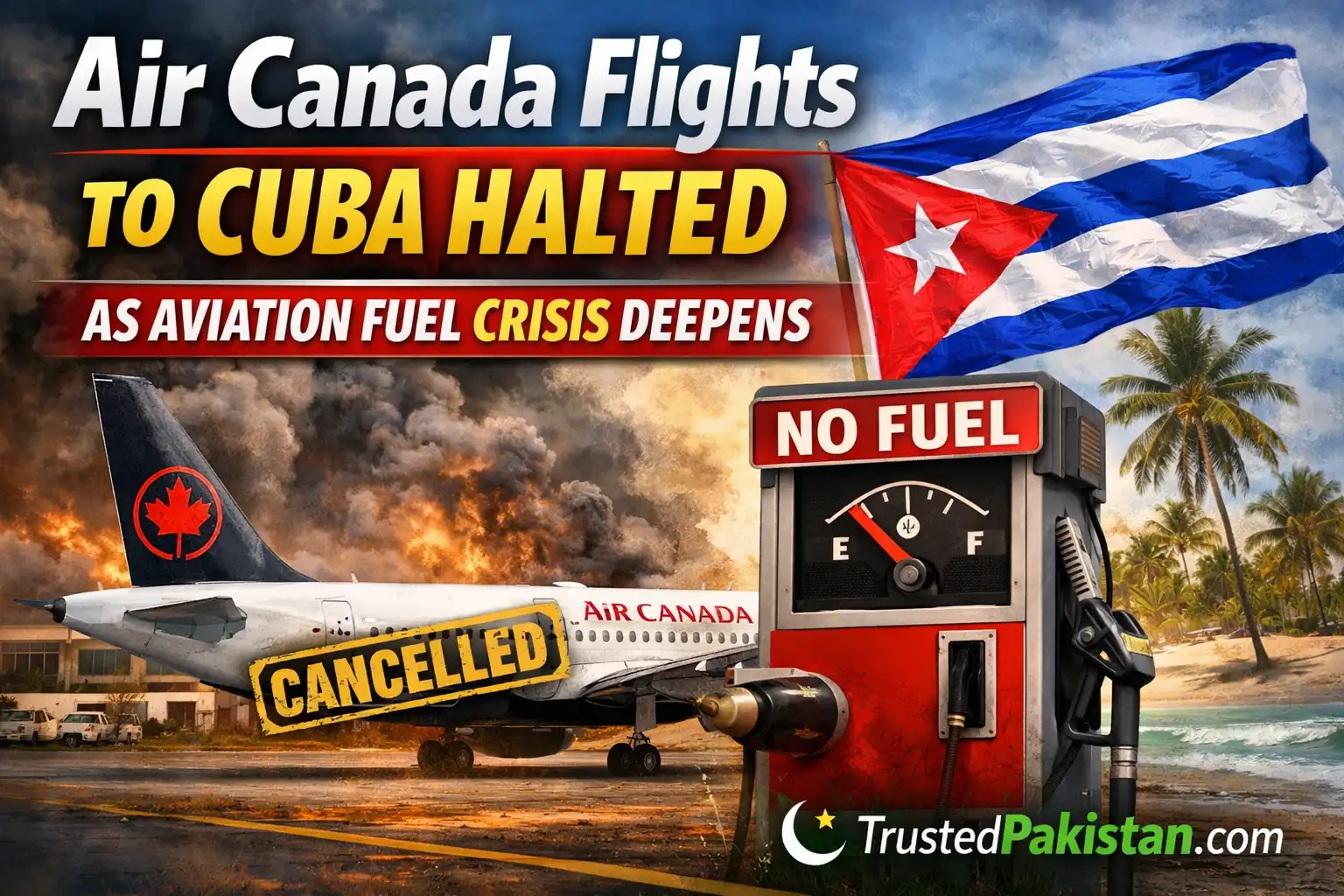
Air Canada Flights to Cuba Halted as Aviation Fuel Crisis Deepens
Air Canada flights to Cuba halted—this headline has sent shockwaves across the travel and aviation industries as Canada’s largest airline suspends several routes to one of the Caribbean’s most popular destinations. The decision reflects a rapidly worsening aviation fuel crisis in Cuba, where shortages have begun to cripple airport operations, airline scheduling, and tourism flows.
The suspension affects thousands of passengers, tour operators, and businesses that depend on steady air connectivity between Canada and Cuba. While Air Canada has framed the move as a temporary operational necessity, industry experts warn that the underlying fuel crisis could have longer-lasting consequences for Caribbean aviation.
Why Air Canada Flights to Cuba Halted Suddenly
The primary reason Air Canada flights to Cuba halted is the acute shortage of aviation turbine fuel (Jet A-1) at major Cuban airports, including Havana and Varadero. Cuba relies heavily on imported fuel, and recent supply disruptions—combined with financial constraints—have reduced the availability of jet fuel needed to maintain regular flight schedules.
Airlines cannot risk operating to destinations where refueling is uncertain. Even a single missed fuel delivery can cause cascading delays, safety risks, and stranded aircraft. For a carrier like Air Canada, which prioritizes operational reliability, halting flights becomes the only viable short-term option.
Impact of the Aviation Fuel Crisis on Cuba’s Airports
Ground Operations Under Pressure
Cuba’s airports are facing mounting pressure as fuel stocks fall to critically low levels. Ground handling services, auxiliary power units, and backup systems all depend on fuel availability. When reserves tighten, airports must prioritize limited operations, often favoring domestic or essential flights.
International Airlines Forced to Rethink Routes
Air Canada is not alone. Several international carriers have reportedly reduced frequencies or adjusted schedules due to the same fuel constraints. However, Air Canada flights to Cuba halted stands out due to the airline’s large market share and the volume of Canadian tourists affected.
Tourism Fallout After Air Canada Flights to Cuba Halted
Tourism is one of Cuba’s most vital sources of foreign revenue. Canada consistently ranks among the top sources of visitors, particularly during winter months when Canadians flock south for sun destinations.
With Air Canada flights to Cuba halted, resorts face booking cancellations, tour operators struggle with re-routing travelers, and local workers in hospitality sectors feel immediate economic strain. Even short suspensions can ripple across supply chains, from airport taxis to small family-run guesthouses.
What Air Canada Has Said Officially
In an official statement, Air Canada confirmed that the suspension is linked to fuel availability issues and emphasized passenger safety and operational integrity as top priorities. The airline has offered rebooking options, refunds, and alternative destinations for affected customers.




This link provides official flight advisories, policy updates, and customer support information related to route suspensions.
Regional Aviation Risks Beyond Cuba
The fact that Air Canada flights to Cuba halted highlights a broader vulnerability across fuel-dependent island nations. Many Caribbean states lack domestic refining capacity and depend on imported fuel shipments. Any disruption—whether logistical, financial, or geopolitical—can quickly translate into aviation instability.
Airlines operating in such regions must now factor fuel security into route planning more aggressively, potentially reshaping Caribbean air travel networks in the medium term.
Economic and Political Factors Behind the Fuel Shortage
Foreign Exchange Constraints
Cuba’s ability to import fuel has been affected by limited access to foreign currency. Aviation fuel suppliers often require upfront payment in hard currency, making consistent supply difficult during economic downturns.
Global Energy Market Pressures
Rising global fuel prices and competition for refined aviation fuel have also tightened supply chains. Smaller markets like Cuba often feel these pressures first, leading to scenarios where Air Canada flights to Cuba halted becomes an unavoidable outcome.
Passenger Guidance After Air Canada Flights to Cuba Halted
Travelers impacted by the suspension should:
- Monitor official airline updates regularly
- Avoid third-party rumors on social media
- Confirm hotel and transfer flexibility
- Consider alternative Caribbean destinations temporarily
Air Canada has urged passengers not to travel to the airport without confirmed rebooking, as operations remain suspended until fuel availability stabilizes.
Aviation Disruptions and Global Travel Trends
This situation fits into a broader pattern of aviation disruptions driven by fuel shortages, geopolitical tensions, and supply-chain challenges. TrustedPakistan has previously covered similar developments affecting international travel and airline operations.
What Comes Next for Cuba and International Airlines
Instead of a traditional conclusion, it’s important to look ahead. The resumption of services will depend on Cuba securing stable aviation fuel supplies and restoring confidence among international carriers. If fuel deliveries normalize, Air Canada could reinstate routes relatively quickly. If not, prolonged suspensions may force airlines to permanently adjust their Caribbean strategies.
For now, Air Canada flights to Cuba halted serves as a stark reminder that modern aviation depends not just on aircraft and demand, but on fragile energy supply chains that can reshape global travel overnight.
