


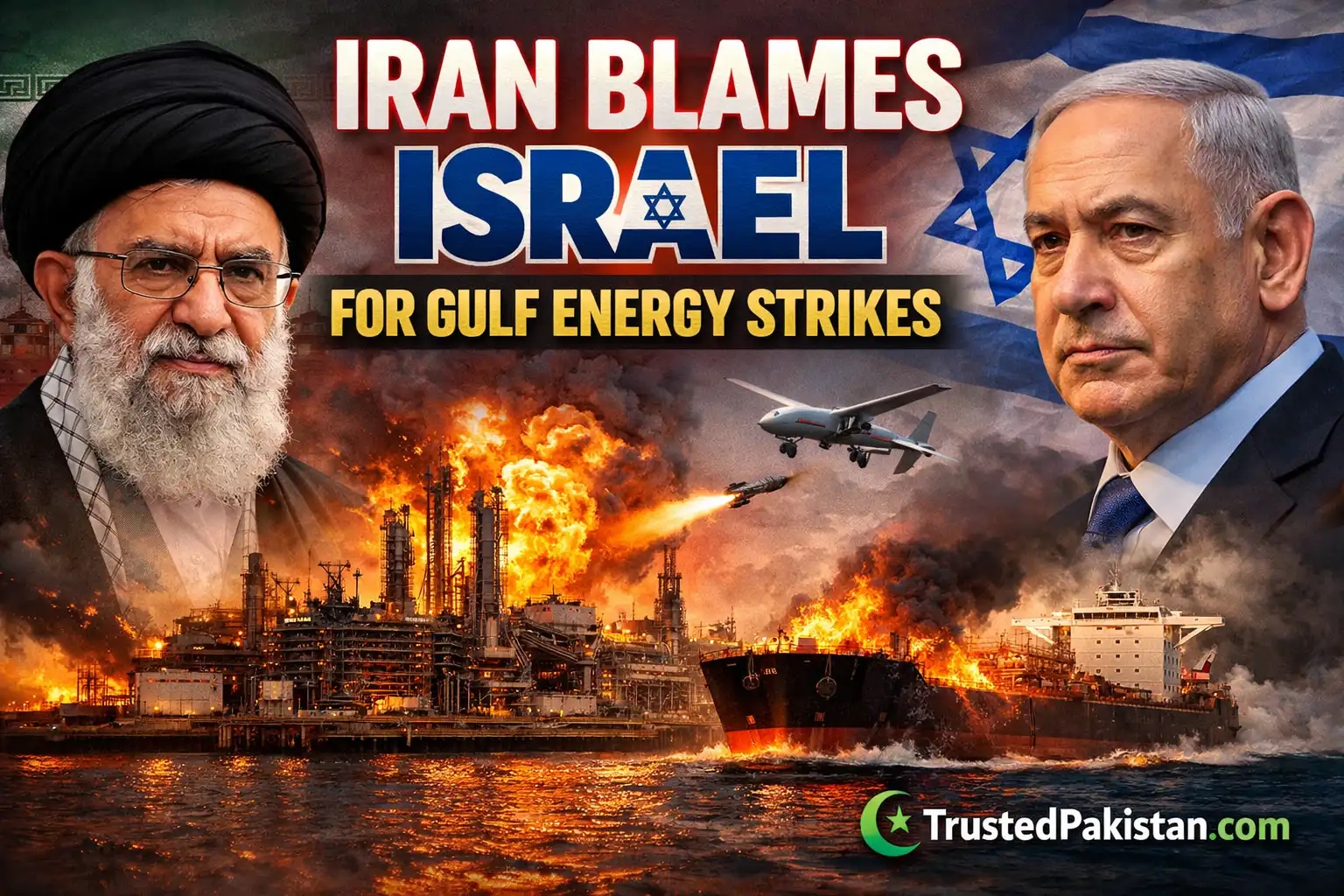
Iran Blames Israel for Gulf Energy Strikes
Iran blames Israel for Gulf energy strikes that have intensified already fragile tensions across the Middle East. The accusation has triggered strong political reactions and raised concerns among global energy markets and security analysts. As Gulf infrastructure plays a vital role in supplying oil and gas to the world, any attack or suspected sabotage immediately attracts international attention.
The situation has become more sensitive due to ongoing geopolitical rivalries, military positioning in the region, and diplomatic disputes between Iran and Israel. When Iran blames Israel for Gulf energy strikes, it signals a potentially dangerous shift toward further confrontation, affecting not only regional security but also global energy stability.
Background of Gulf Energy Tensions
The Persian Gulf region contains some of the world’s most important oil and gas facilities. Countries such as Saudi Arabia, the United Arab Emirates, and Qatar rely heavily on these infrastructures for economic growth and international trade. Because of their strategic importance, energy facilities have historically been targets during periods of geopolitical conflict.
Over the past decade, tensions between Iran and Israel have intensified due to disagreements over nuclear development, military alliances, and influence across the Middle East. These rivalries frequently spill into indirect confrontations, including cyber operations, intelligence activities, and accusations of sabotage.
Iran Blames Israel for Gulf Energy Strikes
Iranian officials quickly responded after reports of damage to energy infrastructure surfaced. Government representatives stated that available intelligence suggests Israeli involvement in the operation. According to Iranian authorities, the alleged attacks were aimed at undermining regional stability and provoking further conflict.
The narrative that Iran blames Israel for Gulf energy strikes reflects the broader rivalry between the two nations. Iranian leaders argue that Israel has previously targeted strategic assets linked to Iranian interests across the Middle East. Meanwhile, Israeli officials have not confirmed involvement and often maintain ambiguity regarding such allegations.
Impact on Regional Security
The accusation that Iran blames Israel for Gulf energy strikes has heightened security concerns throughout the region. Gulf states have increased surveillance around key oil terminals, pipelines, and shipping routes to prevent further disruptions.
Military analysts warn that energy infrastructure is particularly vulnerable to drone attacks, missile strikes, and cyber sabotage. As technology becomes more advanced, the risk of targeted attacks on energy systems continues to grow.
Energy Markets and Global Economy
Whenever Iran blames Israel for Gulf energy strikes, global markets react quickly. Oil prices tend to rise due to fears of supply disruptions and instability in the Gulf region. Investors closely monitor developments because even minor interruptions can affect energy transportation and refining operations.




Energy experts highlight that geopolitical uncertainty often leads to price volatility. Countries dependent on imported oil may experience economic pressure if disruptions become prolonged.
Diplomatic Responses and Global Reaction
The international community has urged caution following the accusations that Iran blames Israel for Gulf energy strikes. Several governments have called for transparent investigations into the incidents to prevent further escalation.
Diplomatic channels remain active as regional leaders attempt to reduce tensions. International organizations continue monitoring the situation, emphasizing the importance of protecting energy infrastructure and maintaining stability in global energy supply chains.
Policy experts believe that diplomatic engagement will be essential to prevent misunderstandings that could lead to broader military confrontations.
Future Risks of Escalation
If the dispute continues, analysts warn that further accusations or retaliatory actions could push the region toward deeper instability. The claim that Iran blames Israel for Gulf energy strikes could encourage proxy conflicts involving allied groups across the Middle East.
Regional powers may also strengthen military defenses around critical infrastructure. Increased naval patrols, intelligence sharing, and surveillance systems are likely to become more common as governments attempt to protect strategic assets.
Emerging Topic: Cyber Warfare and Energy Infrastructure
Beyond physical attacks, cyber warfare has become a major concern for energy security. Experts warn that future conflicts may increasingly target digital control systems managing pipelines, refineries, and shipping terminals.
Cyber attacks can disrupt operations without causing visible physical damage, making them difficult to detect and attribute. As tensions rise in the region, energy companies and governments are investing heavily in cybersecurity defenses to protect critical infrastructure.
The growing importance of digital energy systems means that cyber conflict may become a defining factor in future geopolitical disputes, especially in regions where strategic resources like oil and gas remain central to global stability.
