



Trump Dangerous China Policy Sparks Global Debate
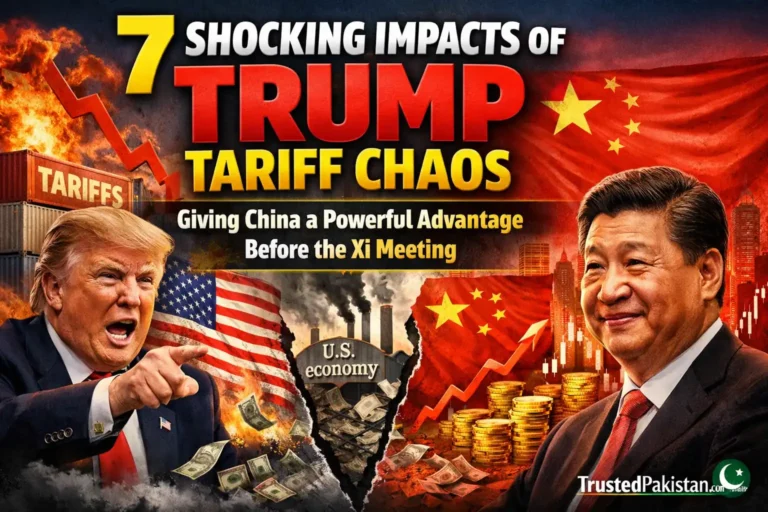
Trump Dangerous China Policy has once again become a major point of concern in international politics as former US President Donald Trump’s rhetoric towards China continues to unsettle global allies. At the same time, UK Prime Minister Keir Starmer’s meeting with Chinese President Xi Jinping in Beijing signals a possible shift toward diplomacy and strategic balance in a rapidly polarising world.
As global powers reassess their positions, many leaders fear that an aggressive US-China posture could destabilise trade, security, and diplomatic norms. Britain’s engagement with China comes at a critical moment when relations between Washington and Beijing remain fragile.
Why Trump Dangerous China Policy Is Seen as a Global Risk
The Trump Dangerous China Policy is widely viewed as confrontational rather than cooperative. During his political comeback campaign, Trump has repeatedly warned of economic retaliation, expanded tariffs, and strategic pressure on Beijing. While such rhetoric appeals to domestic audiences, experts argue it could trigger unintended global consequences.
Key risks include:
- Escalation of trade wars affecting global markets
- Increased military tension in the Asia-Pacific region
- Diplomatic strain on US allies forced to choose sides
European leaders, including those in the UK, are particularly concerned about the spillover effects on global supply chains and energy security.
Starmer Xi Jinping Meeting Signals Diplomatic Rebalancing
UK Prime Minister Keir Starmer’s visit to Beijing has been interpreted as an effort to keep communication channels open amid rising tensions. Unlike the Trump Dangerous China Policy, Starmer’s approach focuses on pragmatic engagement rather than confrontation.
The talks reportedly addressed:
- Trade cooperation and investment stability
- Climate change and global sustainability goals
- International security and regional conflicts
This diplomatic move reflects Britain’s attempt to balance its transatlantic alliance with the US while maintaining constructive relations with China.
Britain’s Strategic Calculations Amid US China Rivalry
Britain faces a delicate challenge. Aligning too closely with the Trump Dangerous China Policy could harm economic interests, while distancing itself from Washington may strain long-standing alliances.
Starmer’s government appears to be pursuing:
- Independent foreign policy credibility
- Economic resilience through diversified trade
- A mediator role in global diplomacy
This strategy allows the UK to safeguard national interests without endorsing extreme geopolitical stances.
China’s View on Trump Dangerous China Policy
From Beijing’s perspective, the Trump Dangerous China Policy represents unpredictability and economic hostility. Chinese officials have consistently criticised unilateral sanctions and tariff-driven diplomacy, arguing that such measures undermine global stability.
China has instead promoted:



- Multilateral cooperation
- Belt and Road economic partnerships
- Dialogue over coercion
Starmer’s visit was therefore welcomed as a sign that not all Western leaders support aggressive containment policies.
Economic Fallout of Escalating Tensions
One of the most serious consequences of the Trump Dangerous China Policy is economic uncertainty. Global markets react sharply to tariff threats, and developing economies often suffer the most.
Potential impacts include:
- Rising consumer prices worldwide
- Disrupted manufacturing supply chains
- Reduced foreign investment confidence
For countries like Pakistan, such instability can directly affect exports, currency stability, and energy imports.
Global Reactions to Trump Dangerous China Policy
International reactions suggest growing unease. European Union leaders have called for “strategic autonomy,” while Asian economies seek neutrality to avoid becoming battlegrounds in a superpower rivalry.
According to analysts, continued escalation could:
- Undermine international institutions
- Weaken global cooperation on climate and health
- Increase geopolitical fragmentation
This context explains why Starmer’s Beijing diplomacy carries broader international significance.
Media and Public Opinion Shaping the Narrative
Global media coverage has increasingly framed the Trump Dangerous China Policy as risky and destabilising. Public opinion in many allied nations favours diplomacy over confrontation, especially amid economic pressures and global crises.
At the same time, political polarisation in the US means future foreign policy could swing sharply depending on election outcomes—adding further uncertainty.
What This Means for the Future of Global Politics
The contrast between Trump’s hard-line stance and Starmer’s diplomatic engagement highlights two competing worldviews:
- Power-based coercion
- Dialogue-driven cooperation
Which approach prevails may define global stability for years to come.
Looking Ahead | Diplomacy vs Confrontation
Rather than a traditional conclusion, it is clear that the Trump Dangerous China Policy has forced global leaders to rethink alliances, economic strategies, and diplomatic priorities. Starmer’s meeting with Xi Jinping illustrates an alternative path—one that prioritises communication over conflict.
As international politics continue to evolve, the world watches closely to see whether cooperation can outweigh confrontation, or whether aggressive policies will dominate the next chapter of global relations.
