


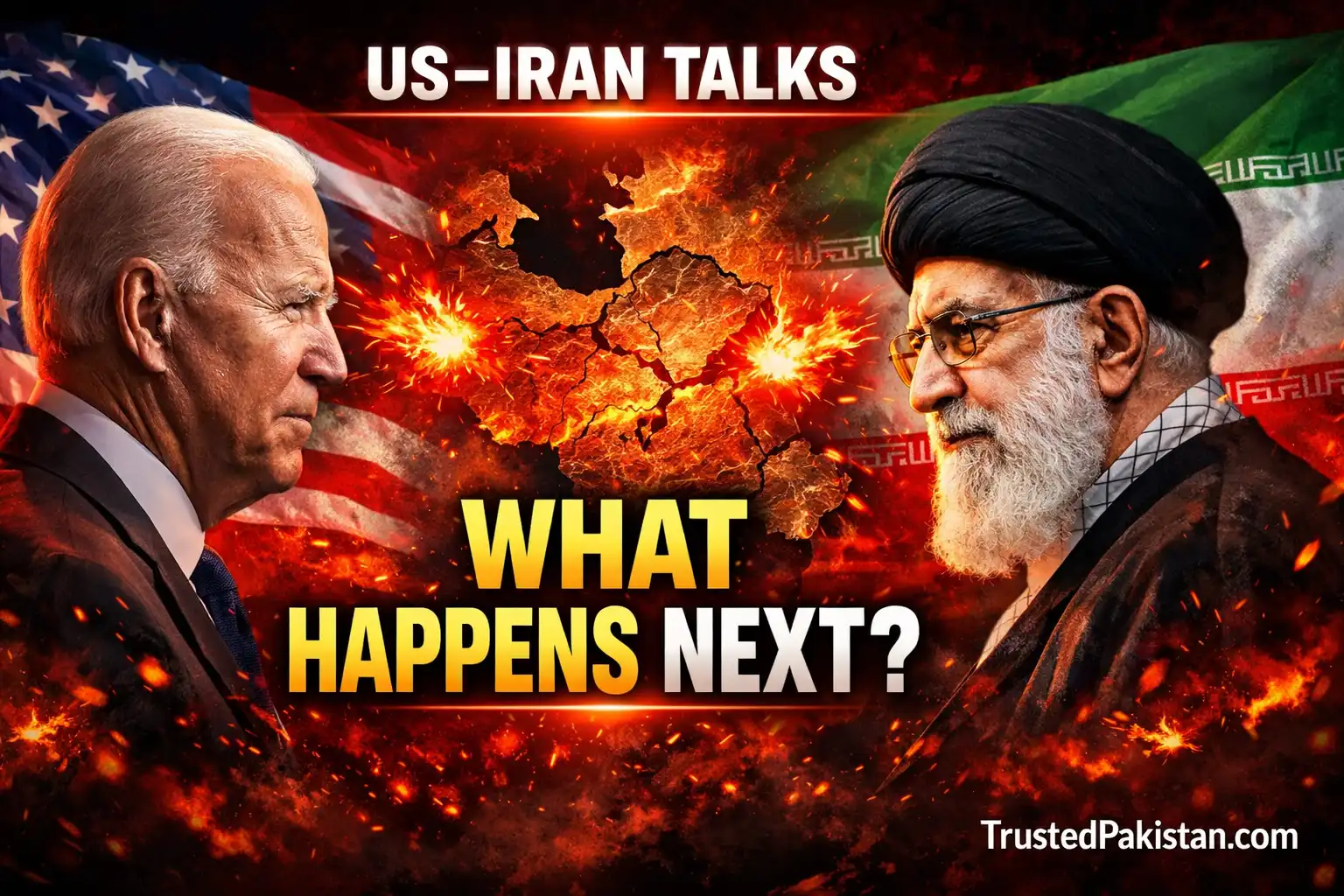
US-Iran Talks | What Will Happen Next
US-Iran Talks have once again become one of the most important diplomatic discussions in global politics. After long hours of negotiations between officials from the United States and Iran, analysts and political observers are asking a critical question: what happens next?
These discussions are not only about relations between two countries. They also influence regional stability in the Middle East, nuclear security, and even the global economy. Governments and international observers are closely watching the progress of these negotiations because the outcome could shape political dynamics for years.
The renewed diplomatic engagement suggests that both sides are trying to find a path forward after years of tension and mistrust.
Why US-Iran Talks Are Happening Again
The latest round of US-Iran Talks comes after several years of strained relations. Disagreements over Iran’s nuclear program, economic sanctions, and regional conflicts have created deep divisions between the two nations.
One of the most important factors behind these negotiations is the future of the nuclear agreement that previously aimed to limit Iran’s nuclear activities. That agreement was designed to ensure that Iran’s nuclear program remained peaceful while also allowing the country to participate more fully in global economic trade.
However, when the agreement collapsed several years ago, tensions quickly increased. Since then, both countries have faced diplomatic pressure from international partners to return to negotiations.
Today, the new US-Iran Talks represent another attempt to rebuild trust and find a diplomatic solution to long-standing disputes.
Key Issues Being Discussed in US-Iran Talks
Iran’s Nuclear Program
The central issue in the US-Iran Talks is Iran’s nuclear program. Western governments want clear guarantees that Iran will not develop nuclear weapons. Iran, on the other hand, insists that its nuclear activities are strictly for peaceful purposes such as energy production and scientific research.
Negotiators are therefore discussing stricter monitoring systems and possible limits on uranium enrichment.
Economic Sanctions
Economic sanctions are another major topic in the US-Iran Talks. These sanctions have significantly affected Iran’s economy, limiting its access to international markets and financial systems.
Iran wants sanctions to be lifted as part of any new agreement. Meanwhile, the United States and its allies want concrete commitments regarding nuclear restrictions before easing economic pressure.
Regional Security Concerns
Regional security also plays a significant role in these negotiations. The Middle East has experienced multiple conflicts in recent years, and Iran’s influence in the region has been a concern for several countries.




Diplomats hope that progress in the US-Iran Talks could contribute to reducing tensions across the region.
Possible Outcomes of the US-Iran Talks
A New Diplomatic Agreement
One possible outcome is a renewed diplomatic agreement. This agreement could restore international monitoring of Iran’s nuclear facilities while gradually reducing economic sanctions.
Such a development could lower tensions and encourage cooperation between global powers.
Extended Negotiations
Diplomatic negotiations often take a long time. Another likely scenario is that the US-Iran Talks continue without an immediate agreement. In many cases, ongoing dialogue itself helps prevent conflict and keeps diplomatic channels open.
Increased Political Tensions
There is also a risk that negotiations could fail. If talks collapse, tensions between the two countries might increase again. This could lead to stronger sanctions, political pressure, or renewed instability in the region.
Because of these possibilities, international observers are carefully monitoring every stage of the discussions.
Global Impact of the US-Iran Talks
The outcome of the US-Iran Talks could have far-reaching consequences for the international community. Energy markets, global trade, and regional security are closely connected to the relationship between the United States and Iran.
For example, Iran is an important player in the global oil market. Any change in sanctions or diplomatic relations could affect oil supply and international energy prices.
Additionally, successful negotiations could open new opportunities for diplomatic cooperation between major world powers. Countries in Europe and Asia are particularly interested in the results of these talks because their economic and strategic interests are tied to regional stability.
How International Diplomacy May Influence the Talks
International diplomacy will likely play a major role in the future of the US-Iran Talks. Many countries and global organizations are encouraging both sides to remain committed to negotiations and avoid escalation.
European nations have often acted as mediators in discussions between Washington and Tehran. Their diplomatic involvement can help bridge gaps and create compromises that might otherwise be difficult to achieve.
Furthermore, global political pressure often pushes both sides toward dialogue rather than confrontation. Diplomatic negotiations allow governments to address complex issues through discussion instead of conflict.
