


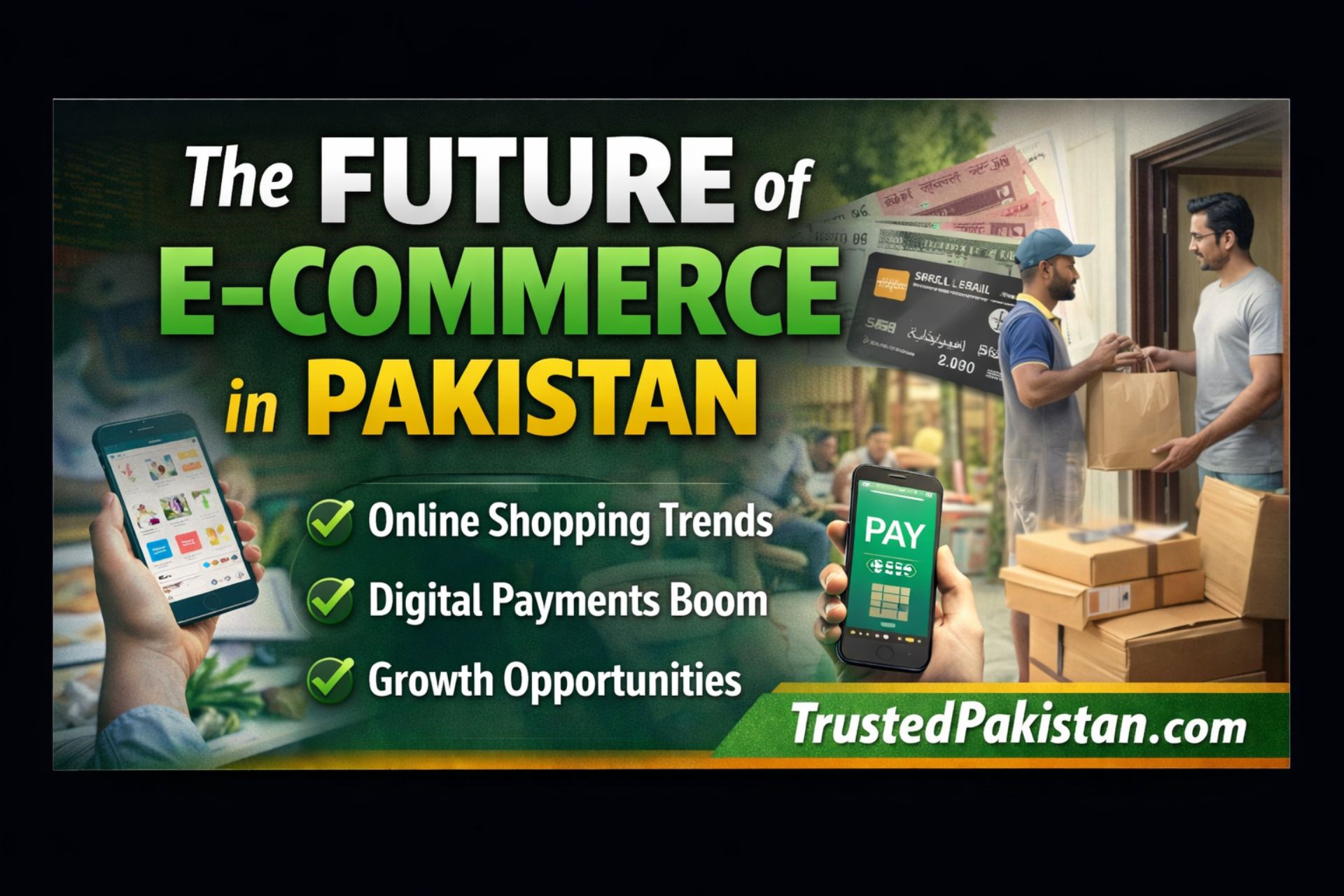
The Future of E-Commerce in Pakistan
Introduction: Is Pakistan Entering a New Digital Shopping Era?
Online shopping is no longer a luxury in Pakistan; it has become a daily routine for millions of people. From ordering groceries to purchasing electronics on installments, e-commerce in Pakistan is reshaping how people buy and sell. Many readers want to know whether this growth is sustainable and if online shopping will truly dominate the future. Based on my experience working with digital platforms and observing local sellers shift from physical shops to online stores, I’ve seen how e-commerce has transformed small businesses and consumer habits. IMO, Pakistan is just getting started, and the coming years will define a new digital economy.
Growth of Online Shopping in Pakistan
The rapid rise of e-commerce in Pakistan is closely linked to internet access and smartphone usage. Affordable Android phones and cheaper data packages have enabled millions to come online for the first time. According to the Pakistan Telecommunication Authority, broadband users in Pakistan have crossed 125 million, which directly fuels online shopping growth. Younger consumers, especially those under 30, are driving demand by discovering products through social media and search engines. Wikipedia’s overview of e-commerce in Pakistan confirms that online retail volumes have shown consistent year-on-year growth, especially after 2020. The COVID-19 pandemic acted as a catalyst, pushing even traditional shoppers toward digital platforms, a habit that largely stayed even after markets reopened.
Popular E-Commerce Platforms
Pakistan’s e-commerce ecosystem is dominated by large marketplaces and fast-growing social commerce channels. Platforms like Daraz have become household names by offering electronics, fashion, and groceries under one roof. OLX Pakistan remains popular for local buying and selling, especially second-hand goods. Pakistani sellers are also increasingly using Amazon to export products internationally, earning in foreign currency. Alongside these platforms, social media selling through Facebook, Instagram, and WhatsApp has exploded. Many small sellers prefer these channels because they require minimal investment and allow direct customer interaction. FYI, this informal social commerce segment now represents a significant share of online shopping trends in Pakistan.
Role of Mobile Banking & Digital Wallets
One of the biggest enablers of e-commerce future in Pakistan is the rise of digital payments. While cash on delivery is still common, mobile wallets are steadily gaining trust. Services like Easypaisa and JazzCash have simplified payments for people without traditional bank accounts. The State Bank of Pakistan has played a key role by promoting branchless banking and launching Raast, Pakistan’s instant payment system. According to SBP data, digital transactions have grown into the billions annually, signaling a clear shift toward cashless commerce. Digital payments reduce order cancellations, speed up deliveries, and increase confidence for both buyers and sellers. In simple words, payments are no longer the biggest hurdle they once were.
READ: How Freelancing is Changing Pakistan’s Economy
Consumer Behavior and Trust Issues
Trust remains the most critical factor influencing e-commerce in Pakistan. Many consumers still worry about fake products, delayed deliveries, and complicated return policies. These concerns are often based on real experiences, especially among first-time buyers. However, trust is improving as platforms introduce verified sellers, transparent reviews, and easy return options. Consumers are also becoming smarter, comparing prices and checking ratings before placing orders. Over time, these habits are shaping a more mature online shopping culture. The key takeaway is clear: trust is growing gradually, but consistently.


Challenges Facing E-Commerce Businesses
Despite impressive growth, e-commerce businesses in Pakistan face real challenges. Logistics remains a major issue, particularly in rural and remote areas where delivery costs are high and address systems are weak. Regulatory and tax-related confusion also affects small sellers who are unsure about registration and compliance requirements. Digital literacy is another concern, as not all buyers and sellers understand online security or fraud prevention. These challenges slow growth but do not stop it. With better infrastructure and clearer policies, many of these barriers can be reduced.
Future Growth Opportunities
The future of e-commerce in Pakistan holds strong potential for those who adapt early. Expansion into tier-2 and tier-3 cities offers access to millions of untapped consumers. Cross-border e-commerce allows Pakistani sellers to reach global markets and earn in foreign currencies. Technologies like artificial intelligence will improve product recommendations and customer support through chatbots. E-commerce is also empowering women and home-based entrepreneurs by enabling flexible, location-independent businesses. IMO, the next phase of growth will be smarter, more inclusive, and more technology-driven.
FAQs: E-Commerce in Pakistan
Is e-commerce legal in Pakistan?
Yes, online businesses are legal and operate under Pakistan’s commercial and cyber laws regulated by relevant authorities.
Which platform is safest for online shopping?
Large platforms like Daraz offer buyer protection, but safety also depends on checking seller reviews and payment methods.
Will cash on delivery disappear in Pakistan?
COD will remain for now, but digital payments are expected to grow rapidly in the coming years.
Can small businesses succeed in e-commerce?
Yes, many small and home-based businesses are already thriving online with minimal investment.
What is the future outlook for e-commerce in Pakistan?
The outlook is positive, with strong growth expected in mobile commerce, digital payments, and cross-border trade.
