


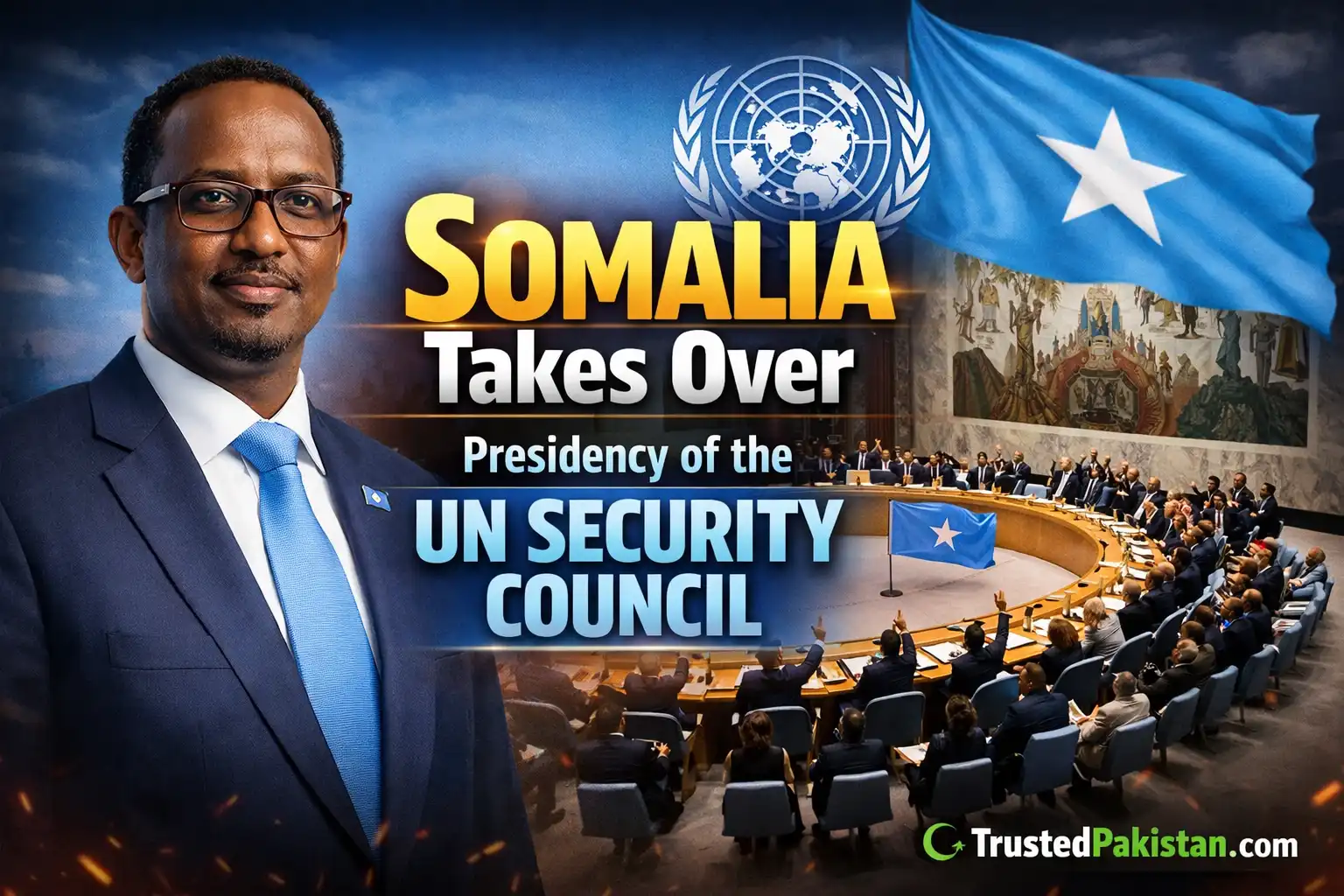
Somalia Takes Over Presidency of the UN Security Council
Somalia has assumed the rotating presidency of the United Nations Security Council for the month of January, marking a significant diplomatic milestone for the country. The presidency places Somalia in charge of chairing meetings and guiding discussions within the UN’s most powerful body, which is responsible for maintaining international peace and security. For Somalia, a nation that has endured decades of conflict and political instability, this role represents a moment of international recognition and renewed engagement with global institutions.
A Historic Moment for Somalia
According to the United Nations, Somalia’s leadership of the Security Council is being widely viewed as a symbolic return to the global diplomatic stage. Only a few years ago, Somalia was largely associated with civil war, humanitarian crises, and weak state institutions. Its current role as a non-permanent member of the Council, and now as its rotating president, reflects progress made in rebuilding governance structures and restoring international confidence.
Somali officials have described the presidency as an opportunity to demonstrate responsibility, cooperation, and commitment to international norms. They say the position shows that Somalia is no longer just a recipient of international support, but also a contributor to global peace and security discussions.
What the Presidency Means
As president of the UN Security Council, Somalia will chair all formal and informal meetings during January. This includes open debates, emergency sessions, and consultations on conflicts and crises around the world. The presidency also involves coordinating the Council’s monthly programme of work and helping ensure that discussions remain productive and inclusive.
While the role does not give Somalia additional voting power, it offers an important platform to influence the tone of discussions and highlight key priorities. The president of the Council often acts as a facilitator, encouraging dialogue and consensus among the 15 member states, including the five permanent members.
Focus on Peace and Multilateral Cooperation
UN News reported that Somalia plans to use its presidency to promote dialogue, peaceful conflict resolution, and multilateral cooperation. Somali diplomats emphasized that the country’s own experience with prolonged conflict gives it a unique understanding of the human cost of war and instability.
Somalia is expected to support discussions on protecting civilians, strengthening peacekeeping missions, and improving coordination between the United Nations and regional organizations. These themes are particularly relevant at a time when the international community is facing multiple overlapping crises.
Somalia’s Voice on Global Security
Somalia’s ambassador to the United Nations said the presidency allows the country to contribute meaningfully to debates on global security. He noted that Somalia’s history of conflict, terrorism, and recovery provides valuable lessons for international peacebuilding efforts.
UN officials have highlighted that Somalia’s leadership role also underscores the importance of inclusivity within the UN system. Smaller and developing nations, they argue, bring important perspectives that enrich Security Council deliberations and help ensure that decisions reflect diverse global experiences.



A Demanding Global Agenda
Somalia’s presidency comes at a time when the Security Council is dealing with a crowded and complex agenda. Ongoing conflicts, rising geopolitical tensions, and growing humanitarian needs are expected to dominate discussions throughout the month.
According to UN News, the Council’s January programme includes briefings on long-running conflicts as well as emerging security challenges. Somalia’s task will be to manage these discussions impartially while ensuring that all member states have the opportunity to express their views.
Domestic Challenges Still Persist
Despite the diplomatic significance of the presidency, Somalia continues to face serious challenges at home. Security threats from armed groups, political disagreements between federal and regional authorities, and humanitarian concerns linked to climate change and displacement remain major issues.
UN officials note that Somalia’s domestic situation makes its international role particularly meaningful. They say Somalia’s participation in global decision-making demonstrates that countries affected by conflict can still play constructive roles on the world stage.
International Reaction and Expectations
The international community has welcomed Somalia’s presidency as a positive development. Diplomats and analysts see it as evidence of Somalia’s gradual reintegration into international affairs. Many believe the role will help strengthen Somalia’s diplomatic capacity and enhance its relationships with other UN member states.
At the same time, observers stress that the presidency is largely procedural. Its real value lies in the experience Somalia gains and the credibility it builds by contributing responsibly to international peace and security efforts.
Looking Ahead
Somalia’s presidency of the UN Security Council will last until the end of January, after which another member state will assume the role. Even so, the experience is expected to leave a lasting impact on Somalia’s diplomatic standing.
UN News reports that Somalia’s leadership during this period will be closely watched as a test of its diplomatic maturity and long-term commitment to multilateral cooperation. For Somalia, the presidency is not merely ceremonial but an opportunity to show readiness to engage constructively in shaping global peace and security.
