


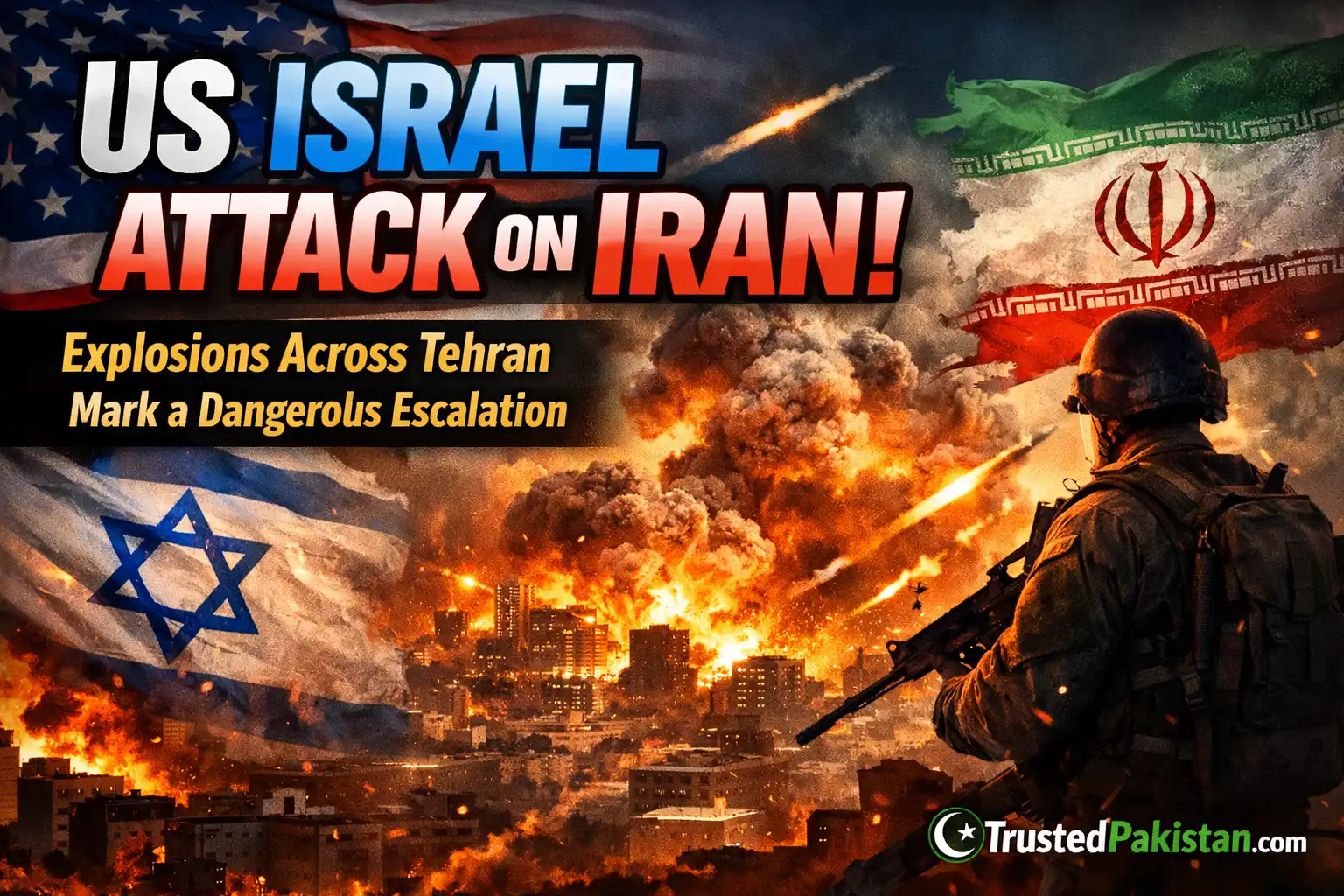
US Israel Attack on Iran | Explosions Across Tehran Mark a Dangerous Escalation
The US Israel Attack on Iran has sent shockwaves across the Middle East after powerful explosions were reported in multiple areas of Tehran. The sudden escalation has raised fears of a wider regional conflict, drawing global attention and urgent diplomatic responses.
According to early reports, air defense systems were activated across the Iranian capital late at night, while residents described hearing multiple loud blasts. Authorities have yet to confirm the full extent of the damage, but the scale of the incident suggests a coordinated military operation.
1. Overview of the US Israel Attack on Iran
The US Israel Attack on Iran appears to be one of the most significant military escalations in recent years. Tensions between Iran and Israel have been intensifying due to ongoing disputes over nuclear development, regional proxy conflicts, and security threats.
The involvement of the United States signals a strategic shift that could redefine alliances and military calculations in the region. Analysts suggest the operation was likely aimed at strategic infrastructure tied to military or nuclear capabilities.
2. What Happened in Tehran?
During the US Israel Attack on Iran, residents across Tehran reported a series of explosions in different districts. Videos circulating online showed flashes in the sky, possibly linked to air defense interceptions.
Iranian state media confirmed that defensive systems were activated but provided limited details. While official casualty figures have not yet been released, emergency services were seen operating in affected areas.
The situation remains fluid, with communication restrictions reportedly imposed in certain parts of the capital.
3. Possible Military Targets
Military experts believe the US Israel Attack on Iran may have focused on:
- Missile storage facilities
- Command and control centers
- Nuclear research installations
- Air defense systems
If confirmed, such targets would indicate a strategic effort to weaken Iran’s long-range strike capabilities and disrupt potential retaliatory measures.
The International Atomic Energy Agency has previously monitored Iranian nuclear facilities, and any confirmed strike on such sites could spark international legal and diplomatic consequences. More details on nuclear oversight can be found via the International Atomic Energy Agency .
4. Global Reactions and Diplomatic Fallout
The US Israel Attack on Iran has triggered immediate global reactions. Several European nations have called for restraint, warning that further escalation could destabilize the entire Middle East.
Russia and China expressed concern over the use of force, while Gulf states have reportedly increased security readiness. The United Nations Security Council may convene an emergency session to address the crisis.
Washington has yet to release a full operational statement, but defense officials indicated that the action was taken in response to escalating threats.
5. Impact on Oil Markets and Global Economy
The US Israel Attack on Iran immediately affected global oil prices. Iran is a major player in regional energy routes, and any instability in the Persian Gulf typically drives energy markets upward.



Traders reacted quickly, fearing potential disruptions in oil shipments through the Strait of Hormuz. Economists warn that prolonged tensions could:
- Increase fuel prices globally
- Trigger inflation spikes
- Disrupt supply chains
- Slow global economic recovery
Energy analysts continue monitoring shipping activity and military deployments near key maritime chokepoints.
6. Regional Security Risks
The broader consequences of the US Israel Attack on Iran extend beyond Tehran. Iran maintains alliances with armed groups across Lebanon, Syria, Iraq, and Yemen. Retaliatory actions could emerge through proxy networks rather than direct confrontation.
Israel has increased air defense readiness, while US military bases across the region are reportedly on high alert. Security experts warn that miscalculations could spiral into a larger regional war.
For deeper analysis on regional security trends, see our internal coverage on Middle East conflict developments at /middle-east-security-analysis.
7. What Happens Next?
The future trajectory of the US Israel Attack on Iran depends largely on Tehran’s response. Iranian officials have vowed retaliation in the past when faced with similar incidents.
Possible next steps may include:
- Cyber operations
- Missile launches targeting strategic sites
- Proxy escalations
- Diplomatic maneuvering through global allies
Diplomatic backchannels are likely active as international mediators attempt to prevent further escalation.
8. Middle East Power Balance After the Escalation
The US Israel Attack on Iran could reshape the balance of power in the Middle East. If Iran’s strategic infrastructure has been significantly weakened, it may temporarily reduce its regional influence. However, such operations can also strengthen hardline positions within Tehran.
Regional actors are recalculating their security strategies. Gulf states may seek closer coordination with Washington, while non-state actors could intensify anti-Israel rhetoric.
Military analysts caution that while the strike demonstrates tactical capability, long-term stability will depend on diplomatic solutions rather than continued force.
Strategic Implications for Global Alliances
Beyond immediate military consequences, the US Israel Attack on Iran signals a pivotal moment in global geopolitics. The coordination between Washington and Tel Aviv underscores deep strategic alignment, while simultaneously testing diplomatic relationships with other global powers.
NATO members may face internal debates over support strategies, while emerging economies watch carefully to assess how escalating tensions could impact trade corridors and investment flows.
The coming weeks will determine whether this development becomes a short-lived military episode or the beginning of a broader geopolitical transformation. As the world closely monitors Tehran, the ripple effects of this confrontation will shape security, economics, and diplomacy for years to come.
