


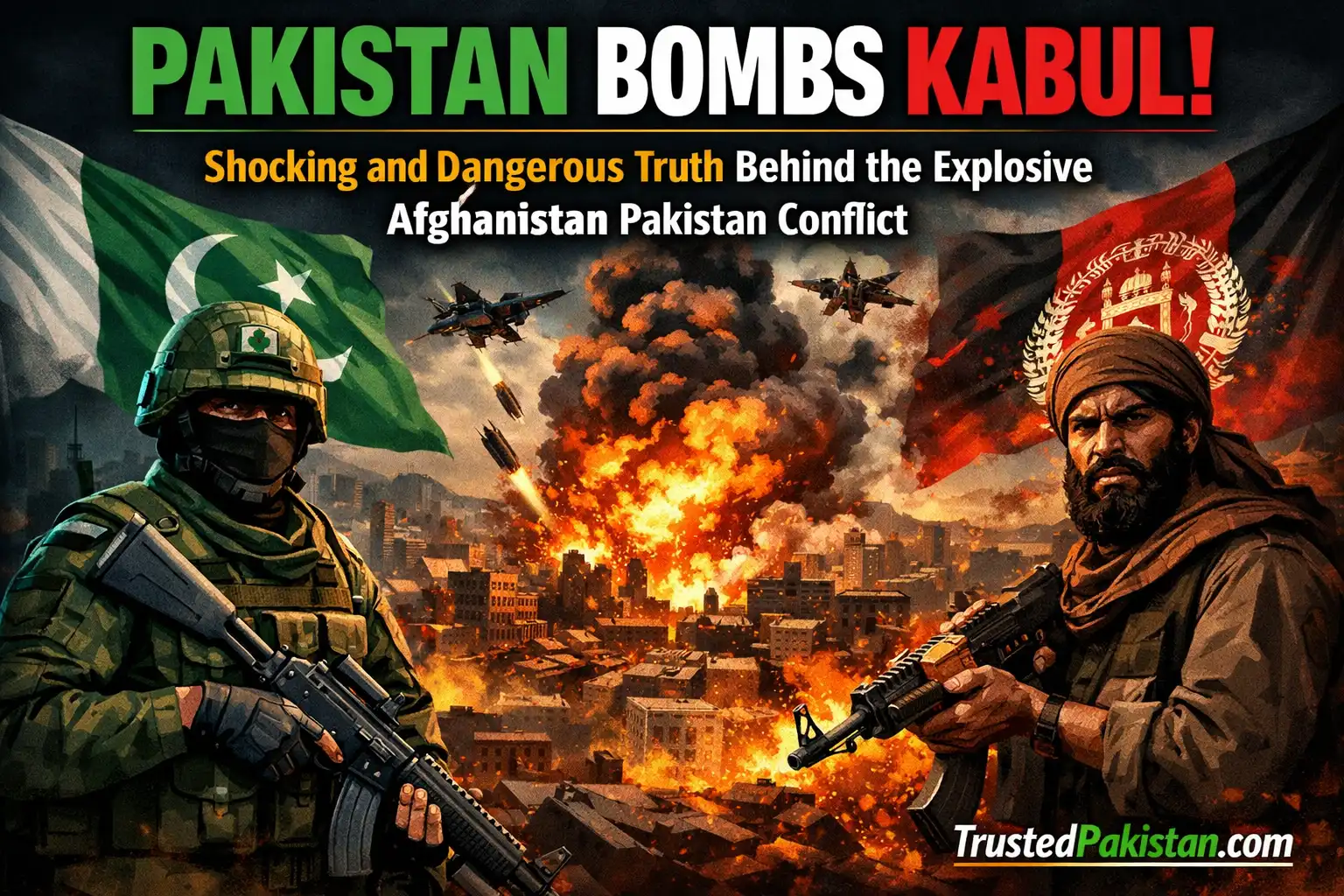
Pakistan Bombs Kabul | 7 Shocking Reasons Behind the Dangerous Afghanistan Pakistan Conflict
Pakistan Bombs Kabul has become a headline that signals rising tensions between two neighboring countries with a long and complicated history. The recent escalation between Afghanistan and Pakistan has raised serious concerns across South Asia and beyond. Understanding why Afghanistan and Pakistan are fighting requires examining history, border disputes, militancy, political mistrust, and regional security dynamics.
This article explores the key reasons behind the conflict, the background of strained relations, and what the future might hold.
Historical Background of Afghanistan–Pakistan Relations
The phrase Pakistan Bombs Kabul may sound like a sudden crisis, but tensions between the two countries go back decades. Since Pakistan’s creation in 1947, relations with Afghanistan have remained uneasy. Afghanistan was the only country to oppose Pakistan’s admission to the United Nations, largely due to disagreements over the Durand Line border.
During the Soviet invasion of Afghanistan in 1979, Pakistan became a frontline state supporting Afghan resistance groups. While this cooperation created strategic alignment at the time, it also laid the foundation for long-term instability, militancy, and mistrust.
After the U.S. withdrawal from Afghanistan in 2021, regional dynamics shifted again. The balance of power changed, and security concerns intensified along the shared border.
The Durand Line Border Dispute
One of the most significant reasons behind the Pakistan Bombs Kabul crisis is the unresolved Durand Line issue. The Durand Line, drawn in 1893 by British India, separates modern-day Pakistan and Afghanistan.
Afghanistan has historically refused to officially recognize the Durand Line as an international border. Pakistan, on the other hand, considers it a legitimate boundary. This disagreement has led to repeated border clashes, construction disputes, and accusations of violations.
Border fencing by Pakistan has further increased tensions. Afghanistan argues that the fencing divides communities and restricts movement, while Pakistan insists it is necessary for security and counterterrorism.
Militancy and Security Concerns
Security is at the core of the Pakistan Bombs Kabul narrative. Pakistan has repeatedly accused Afghanistan of allowing militant groups to operate from its territory, particularly the Tehreek-e-Taliban Pakistan (TTP).
The TTP has carried out numerous attacks inside Pakistan. Islamabad claims that these militants find safe havens across the border. Afghan authorities deny these allegations and accuse Pakistan of interfering in Afghanistan’s internal affairs.
Cross-border attacks and retaliatory strikes have become more frequent. When Pakistan Bombs Kabul or targets alleged militant hideouts, it justifies its actions as defensive measures. Afghanistan, however, views such actions as violations of sovereignty.
Pakistan Bombs Kabul | Immediate Triggers
The most recent escalation under the Pakistan Bombs Kabul headline was reportedly triggered by deadly attacks inside Pakistan. After blaming militant groups allegedly operating from Afghan soil, Pakistan conducted airstrikes targeting suspected positions.
Afghanistan condemned the strikes, calling them aggression. Civilian casualties further fueled anger and diplomatic tensions. Both sides accused each other of misinformation and escalation.
Such incidents often follow a pattern:
- A militant attack occurs in Pakistan.
- Pakistan blames cross-border groups.
- Military strikes are conducted.
- Afghanistan protests and tensions rise.
This cycle has made long-term peace difficult.
Political Tensions and Diplomatic Breakdown
Diplomatic relations between Afghanistan and Pakistan have fluctuated over time. Governments on both sides have alternated between cooperation and confrontation.
After the Taliban regained control of Afghanistan, Pakistan initially hoped for improved relations. However, differences over border management and militant groups created friction.


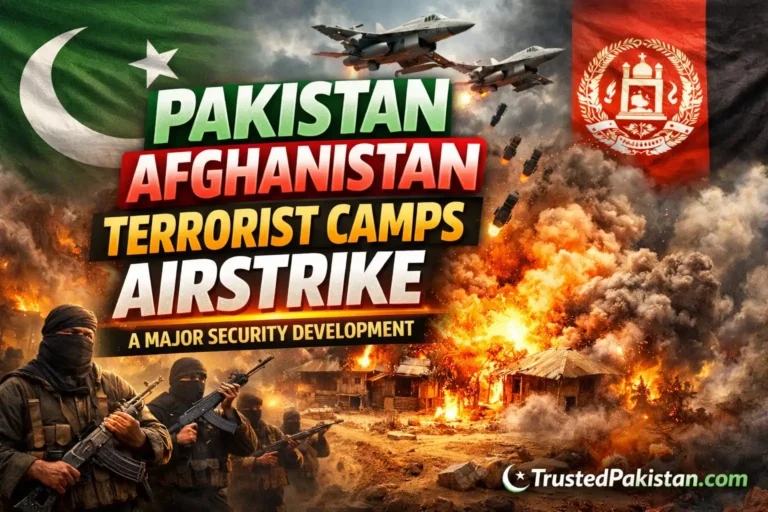

High-level meetings have failed to produce lasting solutions. Trade disruptions, border closures, and diplomatic protests have become common. Each incident under the Pakistan Bombs Kabul narrative further weakens trust.
Regional and Global Implications
The Pakistan Bombs Kabul crisis is not limited to two countries. South Asia is a strategically sensitive region involving major powers such as China, the United States, and Russia.
Instability between Afghanistan and Pakistan affects:
- Regional trade routes
- Counterterrorism cooperation
- Refugee flows
- Economic connectivity projects
China, for example, has significant investments in Pakistan through the China-Pakistan Economic Corridor (CPEC). Any instability threatens economic progress.
Global powers are closely monitoring the situation because renewed conflict could destabilize an already fragile Afghanistan.
Humanitarian and Economic Impact
Whenever Pakistan Bombs Kabul becomes reality, civilians suffer the most. Airstrikes and border clashes lead to displacement, injuries, and loss of life.
Both countries are already facing economic challenges. Afghanistan struggles with sanctions and humanitarian crises, while Pakistan faces inflation and financial instability.
Border closures disrupt:
- Cross-border trade
- Daily wage earners
- Medical travel
- Family connections
Communities living near the border experience constant fear and uncertainty.
Future Outlook and Regional Stability
The future of Afghanistan–Pakistan relations depends on dialogue, border management agreements, and coordinated counterterrorism efforts.
If the Pakistan Bombs Kabul pattern continues, it risks:
- Escalating into broader military confrontation
- Increasing militant recruitment
- Damaging diplomatic ties permanently
However, opportunities for de-escalation exist. Confidence-building measures, intelligence sharing, and economic cooperation could help reduce tensions.
Long-term stability requires addressing root causes:
- Border recognition disputes
- Militant safe haven allegations
- Political mistrust
Without structural solutions, temporary ceasefires will not prevent future crises.
Impact on South Asian Geopolitics
Beyond immediate conflict, the Pakistan Bombs Kabul situation reshapes South Asian geopolitics. It influences alliances, security strategies, and regional diplomacy.
Countries in the region must balance security concerns with economic cooperation. The way Afghanistan and Pakistan handle their disputes will shape the political landscape of South Asia for years to come.
Sustainable peace requires responsible leadership, transparent dialogue, and regional engagement. If both sides prioritize stability over short-term retaliation, the cycle of escalation can be broken.
The Pakistan Bombs Kabul crisis is not just a military issue. It is a test of diplomacy, sovereignty, and regional cooperation in one of the world’s most sensitive geopolitical zones.
